How Machine Learning and AI Are Revolutionizing Modern Technology
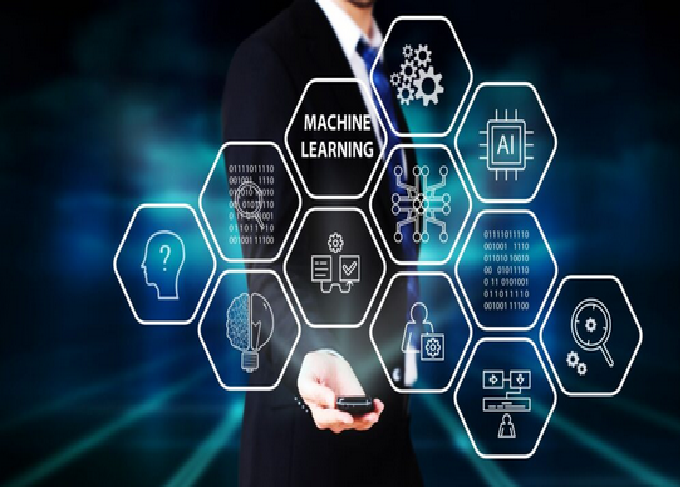
The world is experiencing a technological transformation unlike any other in history. The driving forces behind this revolution are Artificial Intelligence (AI) and Machine Learning (ML)—two branches of computer science that enable machines to think, learn, and make decisions. Once considered futuristic concepts, AI and ML are now integral parts of our everyday lives. From personalized recommendations on Netflix and voice assistants like Siri and Alexa to self-driving cars and advanced healthcare diagnostics, AI and ML are reshaping industries, economies, and societies at large.
This article explores how AI and ML are revolutionizing modern technology, the industries they’re transforming, and what the future holds as these technologies continue to evolve.
Understanding Artificial Intelligence and Machine Learning
Before diving into their impact, it’s essential to understand what these technologies actually mean.
Artificial Intelligence (AI) is a broad field of computer science that aims to create machines capable of performing tasks that typically require human intelligence. These tasks include reasoning, problem-solving, perception, language understanding, and decision-making.
Machine Learning (ML) is a subset of AI that enables machines to learn from data without being explicitly programmed. In ML, algorithms identify patterns in data, improve from experience, and make predictions or decisions with minimal human intervention.
For example, when you get a personalized product recommendation online, that’s machine learning at work. When a self-driving car identifies a pedestrian and stops automatically, that’s AI in action. Together, AI and ML form the backbone of modern intelligent technology.
The Core Components of Machine Learning and AI
AI and ML rely on a few critical components that make intelligent systems possible:
-
Data – Data is the fuel that powers AI and ML systems. The more high-quality data an algorithm receives, the better it can learn and perform.
-
Algorithms – These are sets of rules or instructions that allow systems to process data and make predictions or decisions.
-
Neural Networks – Inspired by the human brain, neural networks enable computers to recognize patterns and make sense of complex information.
-
Deep Learning – A subfield of ML that uses layered neural networks to analyze data like images, speech, and text.
-
Natural Language Processing (NLP) – A branch of AI that helps machines understand, interpret, and respond to human language.
Together, these components empower modern AI systems to perform tasks with incredible accuracy and efficiency.
AI and ML in Everyday Life
Artificial Intelligence and Machine Learning have become so integrated into our daily lives that many people use them without even realizing it. Here are some of the most common ways they’re making a difference:
-
Virtual Assistants: Devices like Siri, Google Assistant, and Alexa use NLP to understand voice commands and respond intelligently.
-
Recommendation Engines: Platforms like YouTube, Netflix, and Amazon use ML to analyze user behavior and suggest content or products you’re likely to enjoy.
-
Spam Filters: Email services use AI to detect and block spam messages.
-
Smart Homes: AI-enabled thermostats, lighting systems, and appliances learn your preferences and adjust settings automatically.
-
Social Media: AI determines what content you see on platforms like Facebook, Instagram, and TikTok based on your interests and interactions.
These examples demonstrate how deeply AI and ML have become woven into the fabric of modern living.
Transforming Industries with AI and ML
While AI and ML make personal lives easier, their greatest impact lies in transforming entire industries. Let’s look at how these technologies are revolutionizing different sectors.
1. Healthcare
AI and ML are reshaping healthcare by enabling early disease detection, personalized treatment, and faster drug development.
-
Predictive Analytics: Machine learning models analyze patient data to predict diseases like diabetes or cancer before symptoms appear.
-
Medical Imaging: AI systems interpret X-rays, MRIs, and CT scans more accurately and faster than human radiologists.
-
Drug Discovery: ML algorithms simulate how different compounds might interact with diseases, drastically reducing the time and cost of developing new medicines.
-
Virtual Health Assistants: Chatbots powered by AI provide medical advice, schedule appointments, and monitor patient health.
With AI-driven tools, healthcare is becoming more proactive, precise, and accessible than ever before.
2. Finance
In the financial sector, AI and ML are being used to detect fraud, automate trading, and enhance customer experiences.
-
Fraud Detection: AI systems monitor transactions in real time to spot unusual patterns that may indicate fraudulent activity.
-
Algorithmic Trading: ML models analyze vast datasets to identify market trends and make split-second trading decisions.
-
Customer Support: AI-powered chatbots assist users with account inquiries, loan applications, and financial planning.
-
Credit Scoring: Machine learning models evaluate an individual’s financial behavior more accurately than traditional credit scoring systems.
The result is a safer, faster, and more personalized financial ecosystem.
3. Transportation
Self-driving vehicles are one of the most visible examples of AI and ML in action.
-
Autonomous Cars: Using sensors, cameras, and deep learning, vehicles can navigate roads, recognize objects, and make driving decisions.
-
Traffic Management: AI analyzes traffic data in real time to optimize traffic flow and reduce congestion.
-
Predictive Maintenance: Airlines and logistics companies use AI to anticipate mechanical failures before they occur, improving safety and efficiency.
These innovations promise a future of safer roads, reduced emissions, and faster travel times.
4. Education
AI and ML are transforming the way people learn by creating personalized and adaptive learning experiences.
-
Personalized Learning: AI systems assess students’ strengths and weaknesses to tailor lessons to individual needs.
-
Smart Tutoring Systems: Virtual tutors use ML to provide real-time feedback and assistance.
-
Administrative Automation: AI helps schools automate grading, scheduling, and admissions.
-
Predictive Analytics: Educational institutions use ML to identify at-risk students and intervene early.
AI in education ensures that learning is more engaging, inclusive, and efficient.
5. Retail and E-Commerce
AI is revolutionizing how businesses interact with customers and manage inventory.
-
Personalized Recommendations: E-commerce sites use ML to analyze customer behavior and suggest products.
-
Inventory Optimization: AI forecasts demand, helping businesses maintain the right stock levels.
-
Visual Search: Shoppers can upload images to find similar products instantly.
-
Customer Support Automation: Chatbots handle inquiries 24/7, improving service and reducing costs.
Retailers using AI gain a competitive advantage by providing seamless, data-driven customer experiences.
6. Manufacturing and Industry
AI and ML are powering the next wave of industrial innovation, often referred to as Industry 4.0.
-
Predictive Maintenance: Sensors monitor equipment and alert operators to potential failures before they happen.
-
Quality Control: AI-driven visual inspection systems detect product defects more accurately than human inspectors.
-
Supply Chain Optimization: Machine learning analyzes logistics data to enhance efficiency and reduce costs.
-
Robotics and Automation: Intelligent robots handle complex tasks like assembly, packaging, and inspection.
AI-driven manufacturing is smarter, faster, and more efficient, reducing waste and boosting productivity.
AI and ML in Cybersecurity
As technology advances, so do cyber threats. AI and ML are essential tools for defending against these dangers.
-
Threat Detection: ML models analyze network traffic and detect anomalies that could indicate a cyberattack.
-
Automated Response: AI systems can isolate infected systems or block malicious IPs in real time.
-
Phishing Detection: AI identifies suspicious emails and prevents them from reaching users.
-
Behavioral Analysis: By studying user behavior, AI can detect unauthorized access or insider threats.
AI-enhanced cybersecurity provides faster, smarter protection against an ever-evolving landscape of digital threats.
The Role of AI and ML in Climate and Sustainability
AI and ML are also being used to tackle some of humanity’s biggest challenges—climate change and sustainability.
-
Energy Optimization: AI systems manage energy grids more efficiently, reducing waste.
-
Weather Prediction: ML improves the accuracy of climate modeling and extreme weather forecasting.
-
Sustainable Agriculture: AI-powered drones and sensors monitor crops and optimize water and fertilizer use.
-
Waste Management: ML helps identify recyclable materials and reduce landfill waste.
These applications are crucial for building a more sustainable and environmentally friendly world.
Ethical Challenges and Concerns
While AI and ML offer countless benefits, they also raise important ethical and social concerns.
-
Data Privacy – AI systems require massive amounts of data, often collected from individuals without explicit consent.
-
Bias and Fairness – If training data is biased, AI models can reinforce discrimination or unfair practices.
-
Job Displacement – Automation may replace certain jobs, creating challenges for the workforce.
-
Security Risks – Malicious actors can exploit AI for cyberattacks or misinformation.
-
Lack of Transparency – Many AI models operate as “black boxes,” making it difficult to understand how they make decisions.
Addressing these issues requires clear regulations, ethical frameworks, and responsible development practices.
The Future of AI and Machine Learning
The future of AI and ML promises even greater transformation across every aspect of life. Some trends to watch include:
-
General AI Development: Moving from narrow, task-specific AI to systems that can understand and perform a broad range of tasks like humans.
-
Edge AI: Bringing AI processing closer to devices (like smartphones and IoT sensors) for faster, more efficient performance.
-
AI in Creativity: AI-generated art, music, and writing are becoming increasingly sophisticated.
-
Human-AI Collaboration: The next phase will focus on AI systems that enhance human creativity and problem-solving rather than replace it.
-
AI Governance: Governments and organizations are establishing ethical guidelines to ensure AI serves humanity responsibly.
As these technologies continue to evolve, they will redefine what is possible in science, business, and everyday life.
Conclusion: A Smarter, Connected Future
Artificial Intelligence and Machine Learning are not just trends—they are the foundation of the next technological era. From healthcare and finance to education, transportation, and manufacturing, these technologies are revolutionizing how we live and work.
They bring unprecedented efficiency, intelligence, and personalization to every corner of modern life. Yet, their power also comes with responsibility. Ensuring that AI is used ethically, fairly, and transparently will be key to shaping a future where technology serves humanity, not the other way around.






Post Comment